


1
A clear reason for parents to buy
Parents can see the educational value immediately. The book supports science learning while developing independent judgement.
Its comic format makes that value attractive to children themselves.
 A walk through history
in comics
An engaging science comic that helps children think critically in the age of AI.
How do scientists know what is true? Why do even great scientists make mistakes?
How can children recognize misleading claims in a world filled with convincing AI-generated content?
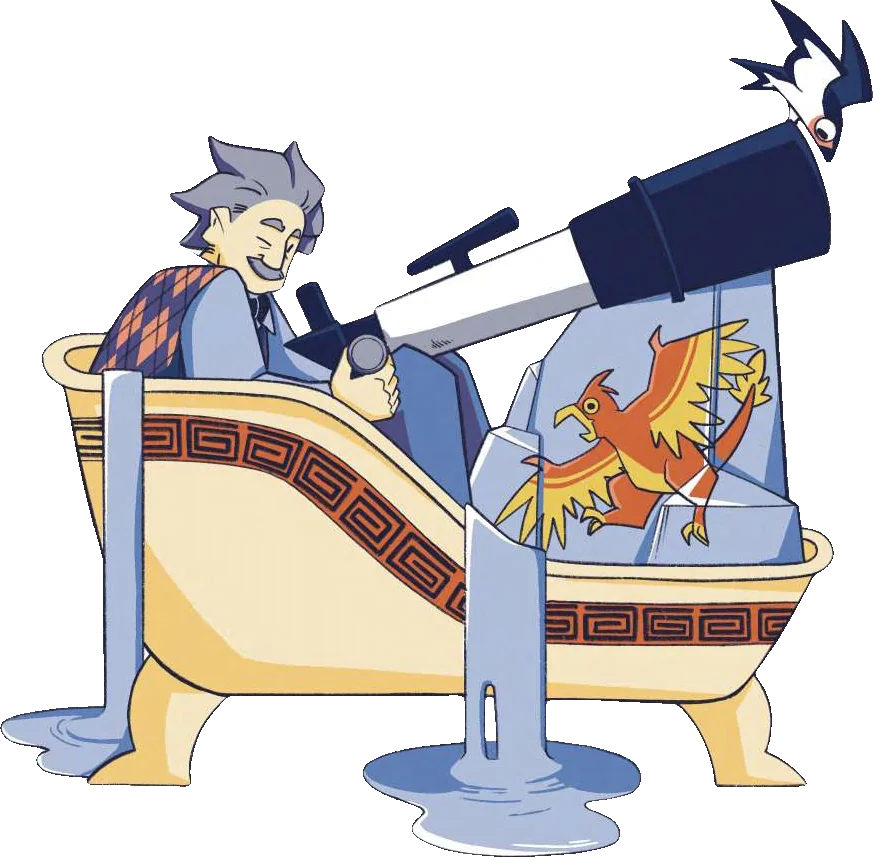
What Is Science? In Comics explores these questions through lively dialogue, humor and illustrated discoveries. It introduces the scientific method and shows why evidence matters.
Children discover how to question information, test ideas and draw their own conclusions.
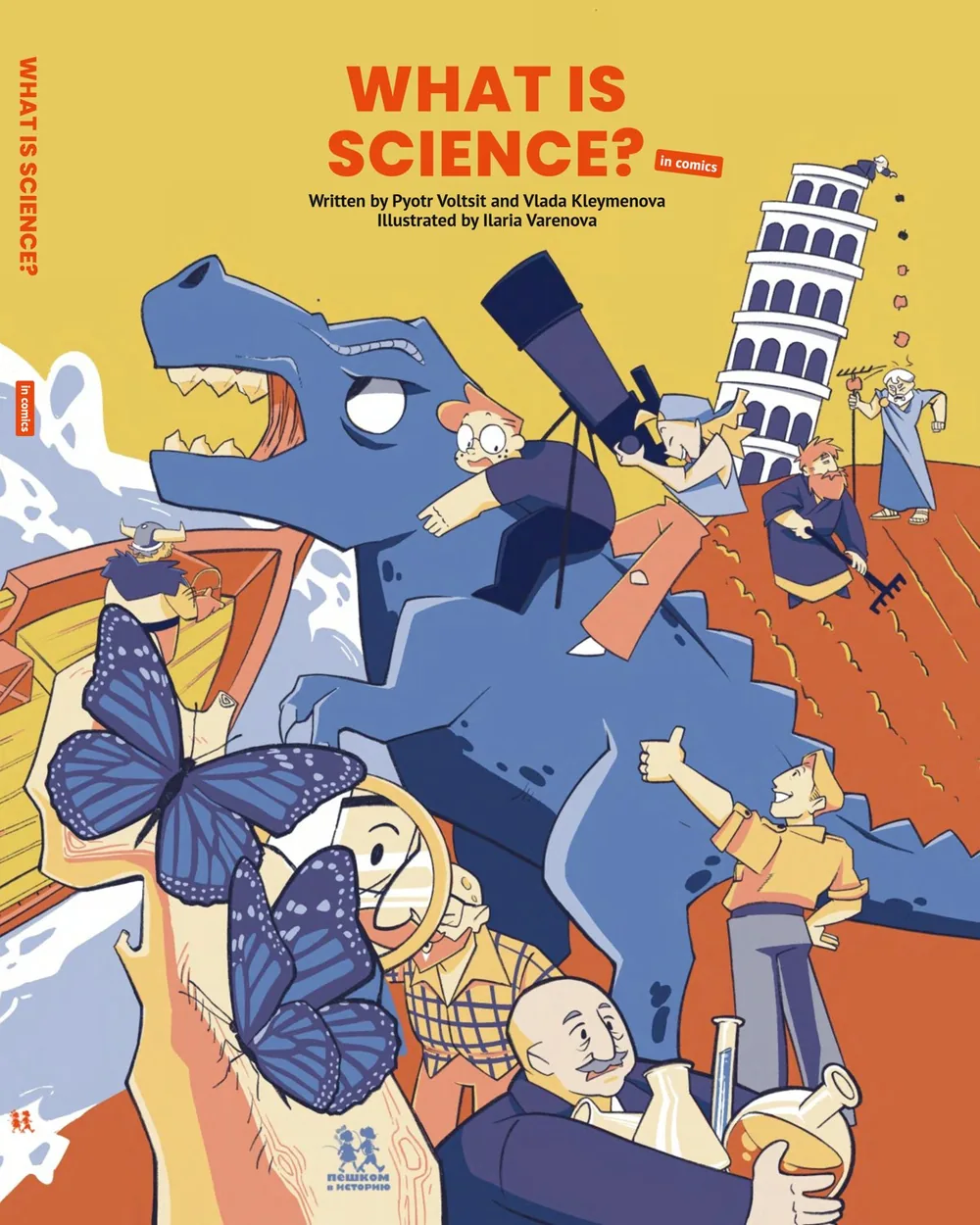
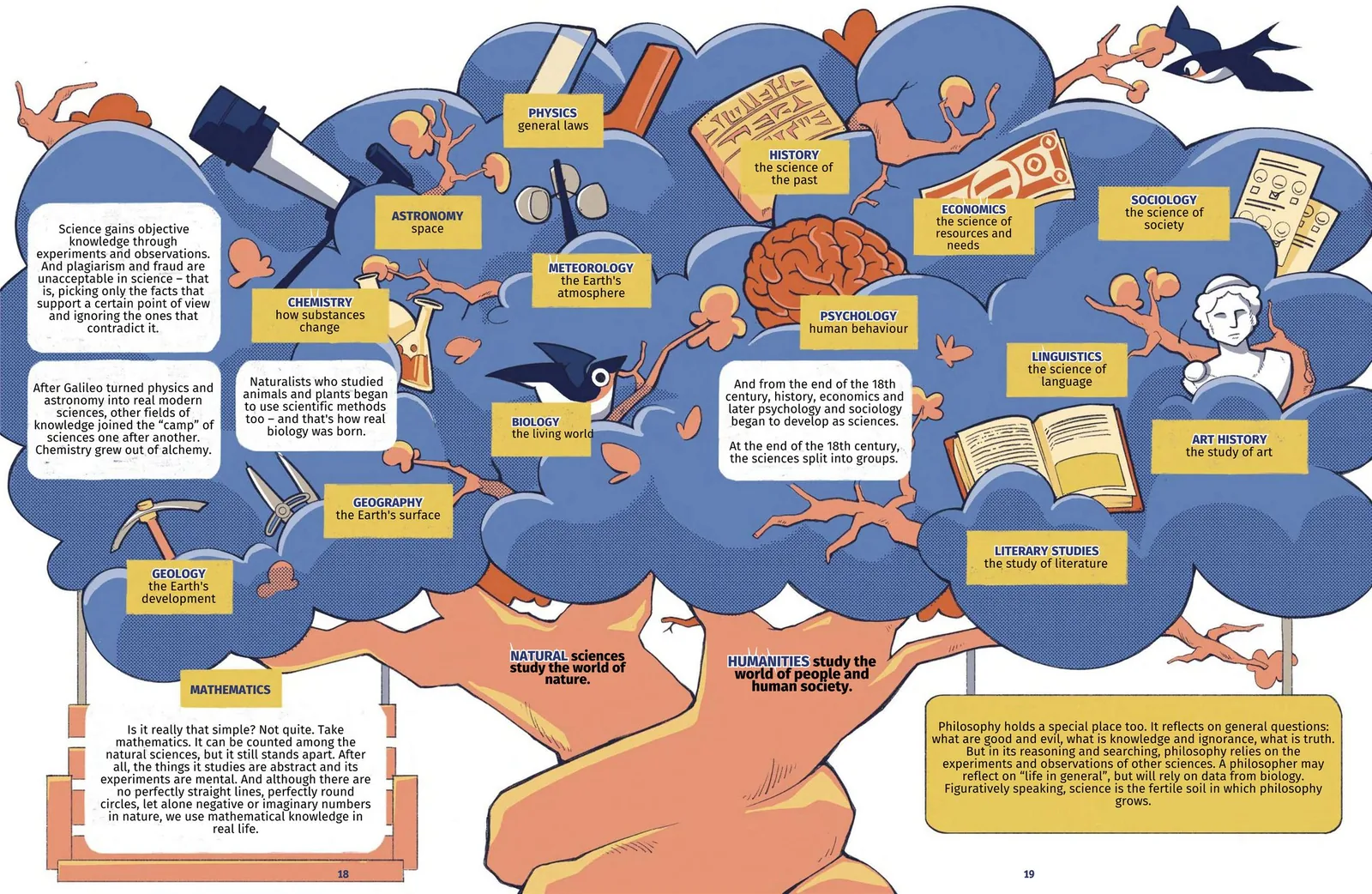
Most science books explore one subject. This book explores the thinking behind all of them.
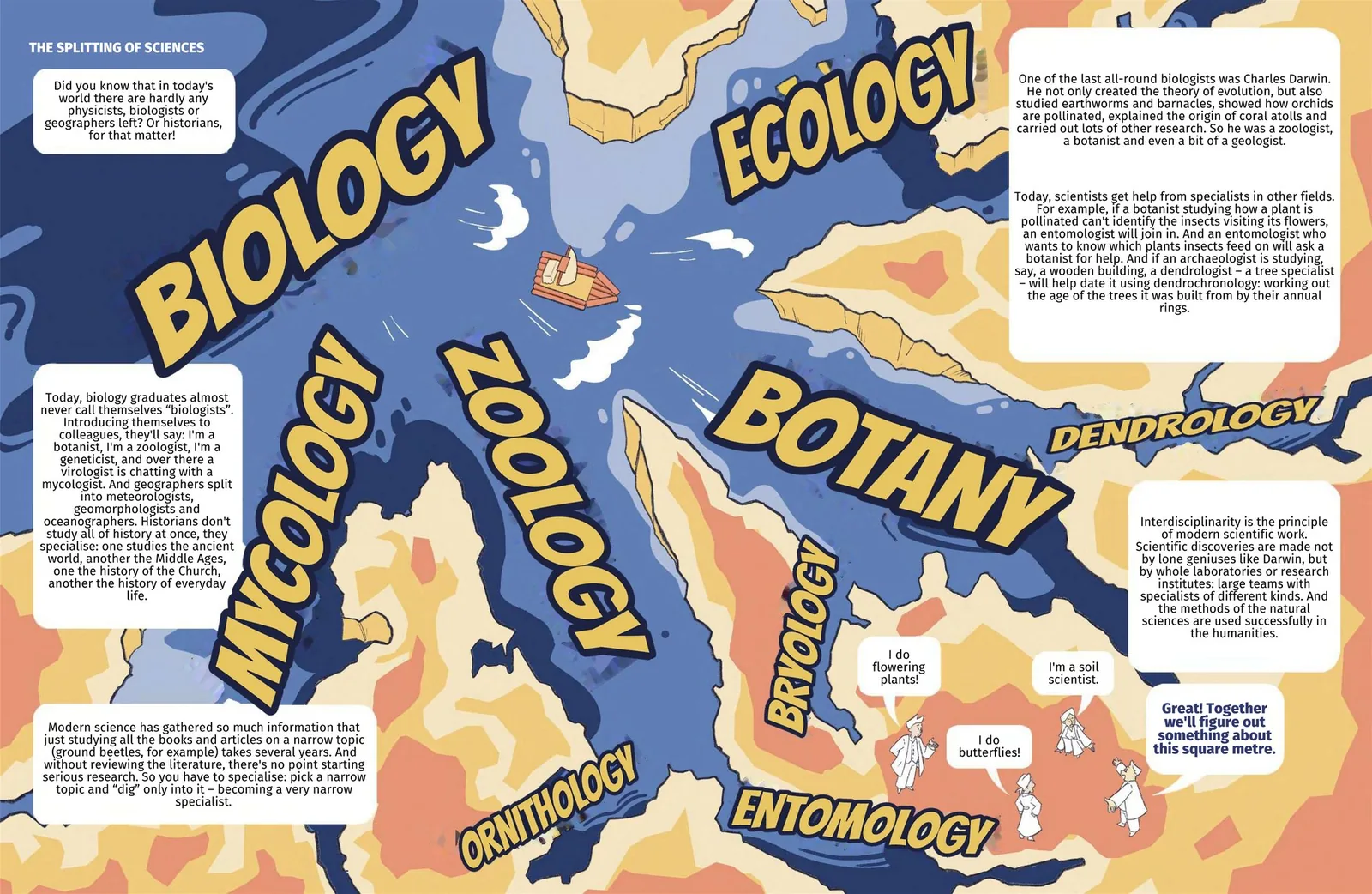
The book shows how physics, biology, history, and geography are linked by common principles.
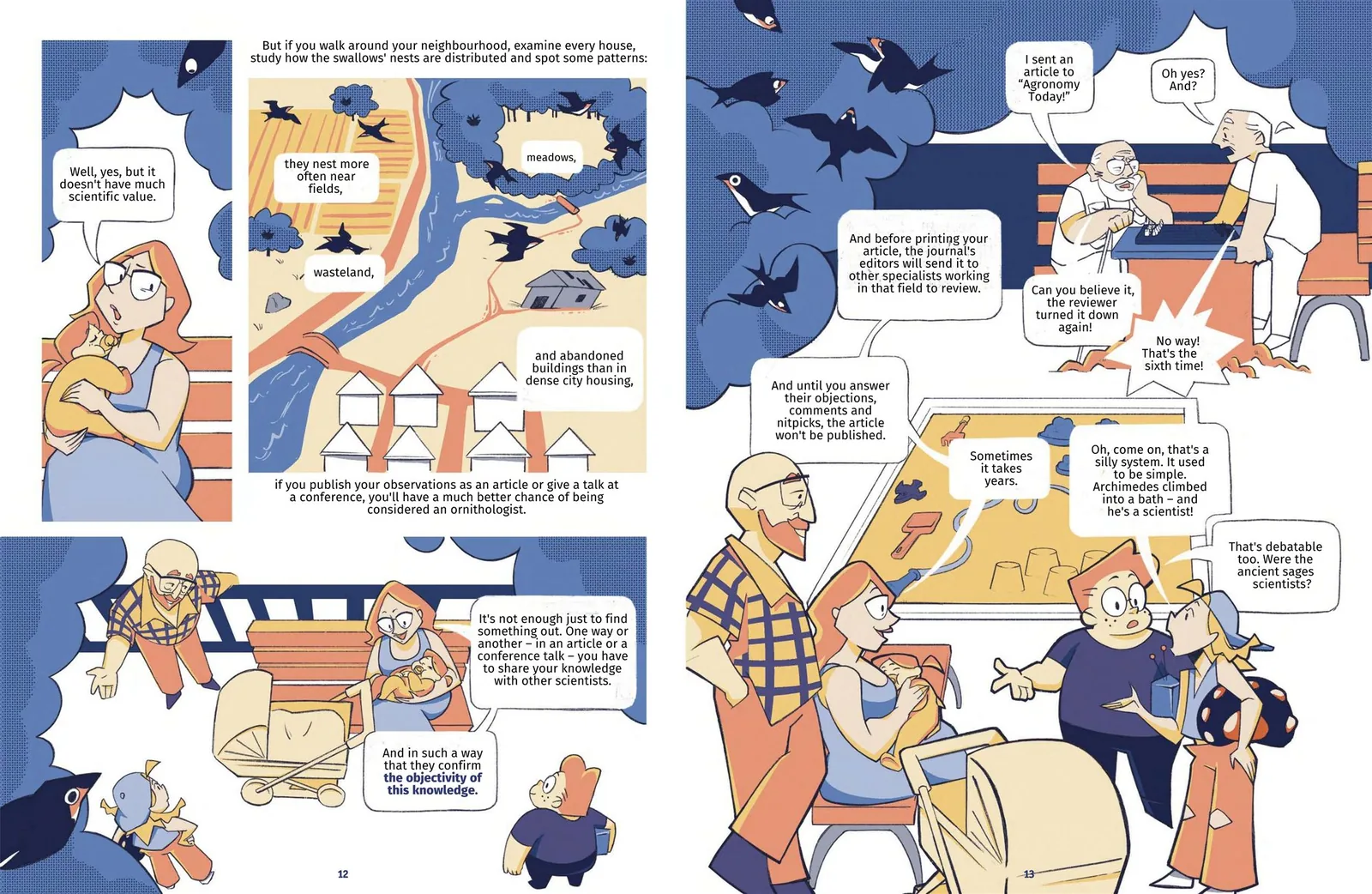
Readers learn what distinguishes a hypothesis from a theory and why researchers repeat experiments. They discover how questions become discoveries and why evidence can overturn established ideas.
This approach gives the title a distinctive position within children's nonfiction. It also prepares young readers to understand other scientific subjects.
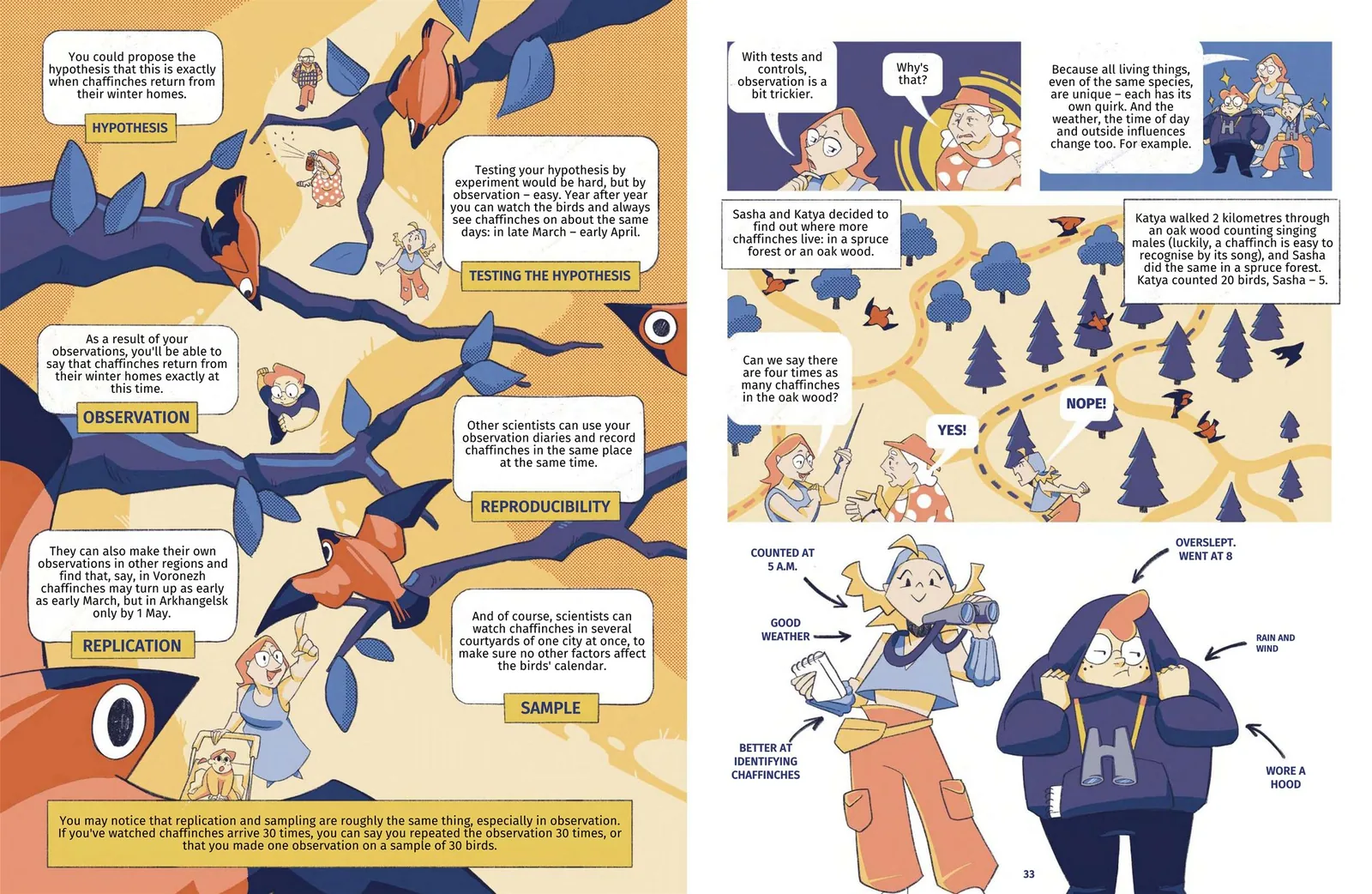
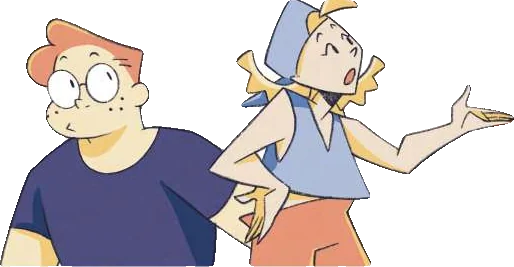
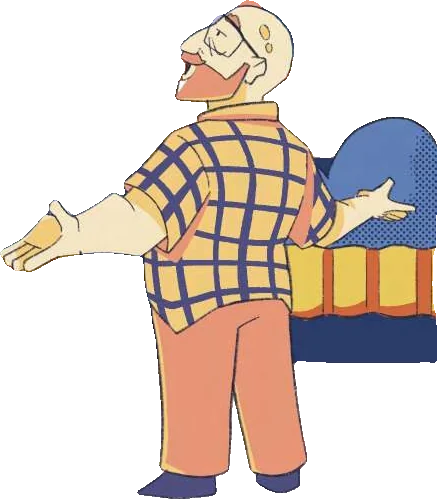
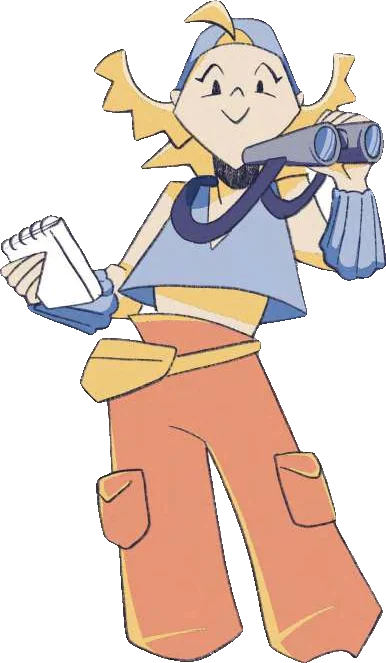
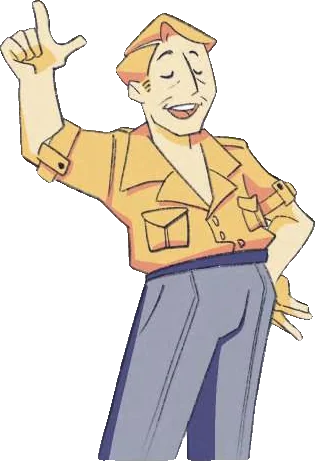
An everyday conversation about UFOs draws the characters into a lively argument about evidence. As they meet new people, their questions lead to fascinating discoveries.
Galileo's experiments and Alfred Wegener's theory of continental drift become part of their discussions.
Dialogue, humor, and expressive illustrations clarify complex ideas without sacrificing their meaning. The comic format welcomes children who might hesitate to choose traditional nonfiction.
Readers follow a story, not a lecture.
Children attend the story and leave with enhanced knowledge of science.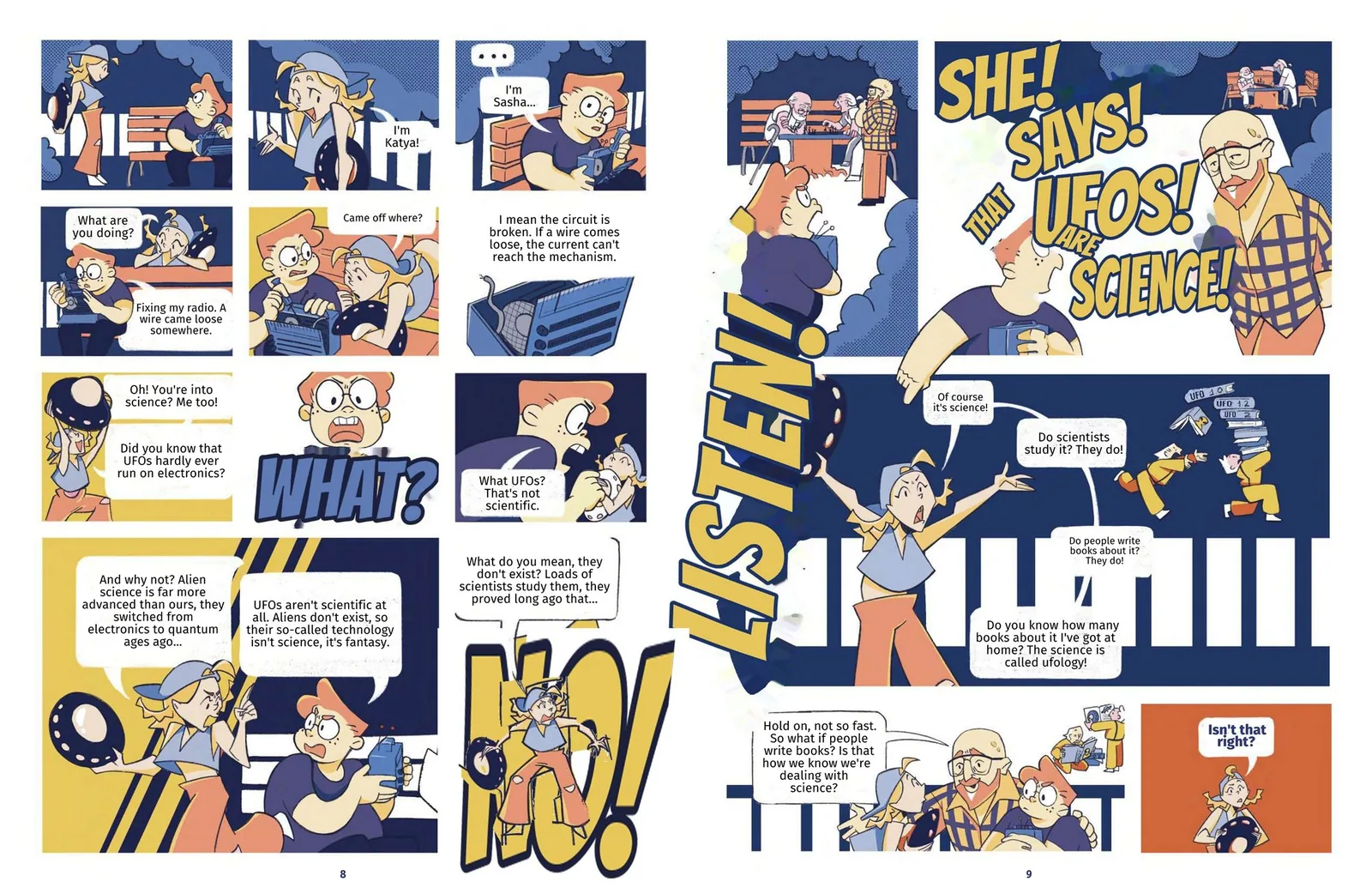
Artificial intelligence makes critical thinking an increasingly urgent educational priority.
Fake images, made-up stories, and sure-sounding wrong answers can make misinformation hard to spot. Children need tools for evaluating claims, not just instructions about which sources to trust.
Developing these skills is one of the book's central goals.
The story teaches readers to request evidence, check explanations and identify unsupported claims. It explores pseudoscience and shows why scientific ideas must withstand criticism.
These habits help children approach information with greater independence. The book teaches a fundamental skill for the digital age, without relying on short-lived technology trends.
The book teaches children how to think instead of what to think.

Parents can see the educational value immediately. The book supports science learning while developing independent judgement.
Its comic format makes that value attractive to children themselves.
Teachers can use its examples to introduce scientific reasoning and encourage discussion. Rather than following one national curriculum, the content complements multiple subjects.
School libraries offer another relevant audience beyond the general book trade.
Booksellers can position the title within science, graphic nonfiction, and educational categories. The combination creates multiple ways to reach families.
Concerns about AI-generated misinformation also offer publishers a timely marketing angle.
The foundations of scientific reasoning remain relevant across generations. This evergreen subject offers potential for continued sales beyond the launch season.
Four arguments to take into your editorial meeting.
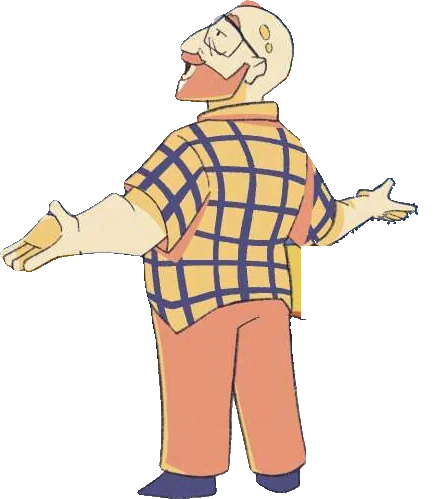
Children everywhere encounter extraordinary claims and ask how the world works. Scientific reasoning goes beyond the limits of national borders and school systems.
The book's underlying principles travel well, even when translated for different educational markets.
Its combination of visual storytelling and educational content supports clear local marketing messages. Publishers can address families seeking enjoyable reading and educators looking for accessible teaching resources.
The book comes from A Walk Through History, an experienced publisher of illustrated children's nonfiction. Its titles have already reached readers through translations into numerous languages.
An engaging comic. A meaningful educational promise. A subject with lasting relevance.
What Is Science? In Comics offers a distinctive addition to a children's nonfiction list. It combines a format children enjoy with skills parents and educators value.
Explore the artwork, story and scientific approach in the complete review PDF.
Contact Librorus Sàrl for rights information and territorial availability.
Download the complete 2026 catalogue