
Timka & Tinka: Adventures Through History
Touch an object. Enter its world.
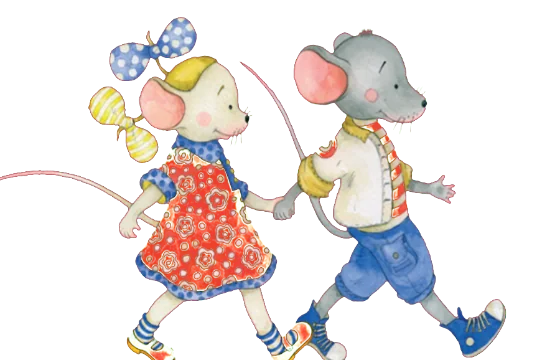
Two little mice live in a historical museum, always full of curiosity. Sometimes a vase fragment, a scarab, or an officer’s lorgnette becomes a doorway into the past. Once there, the mice do not simply observe history. They become part of it.
History becomes a place, not a lesson
The series follows a tradition familiar from classic historical adventure fiction: fictional heroes move through real historical circumstances, meet people of their time and become involved in events shaped by the period.
In that sense, the books can be thought of as a kind of “Dumas for younger readers.” The purpose is not to retell history from a distance, but to let children enter it through a story.
Timka and Tinka meet invented characters whose lives are shaped by real historical worlds. They travel through Minoan Crete, the court of Hatshepsut, prehistoric communities and Napoleon’s campaign of 1812. Historical settings, customs, conflicts and material culture are woven directly into the plot.
The reader discovers the period in the same way the protagonists do: by moving through its streets, entering its houses and palaces, meeting its people, facing its dangers and gradually understanding how this unfamiliar world works.
The history is real. The adventure is fictional. Together, they create immersion.
Big civilisations seen through tiny heroes
Being mice gives Timka and Tinka an unusual point of view.
They can hide in a traveller’s bag, explore a palace almost unnoticed, listen to conversations adults were never meant to hear and see historical life from ground level.
Their scale also makes unfamiliar worlds accessible. Monumental temples, ships, markets, and battle camps become places that can be explored rather than admired from a distance.
At the centre of every book is a real adventure, with friendship, danger, mystery, and humour carrying the historical content forward.
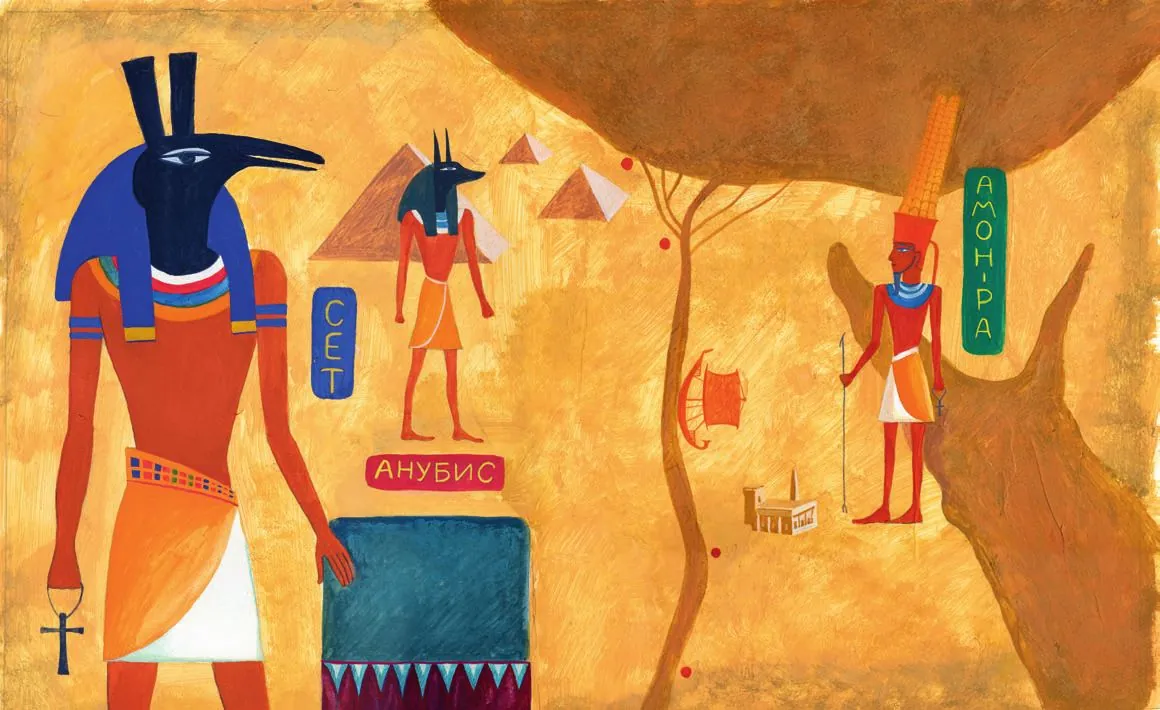
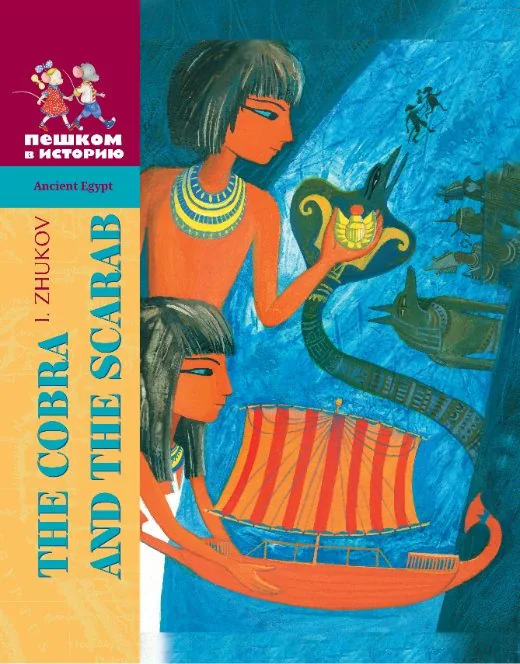
The Cobra and the Scarab
by Igor Zhukov · illustrated by Tatiana Nikitina · 104 pages · ISBN 978-5-905474-18-7
A small golden scarab sends Timka and Tinka thousands of years into the past, to Egypt during the reign of Hatshepsut.
What started as a quick visit to the pyramids soon turned into something far more dangerous. The only object that can take them home, their scarab, is captured by a scheming priest protected by a white cobra.
To recover it, the mice enter the royal court, follow their new friends through the temples of Thebes, travel along the Nile and eventually join an expedition towards the mysterious land of Punt.
Along the way, young readers encounter Egyptian writing, religion, royal life, mummification, the pyramids, and the world of one of history’s most remarkable female rulers. The book moves naturally between everyday detail and large historical events, keeping the adventure at the centre.
Ancient Egypt has immediate recognition across markets, while the story offers much more than familiar pyramids and mummies. Hatshepsut, the journey to Punt, and the political life of the royal court give the book a richer and less predictable setting.
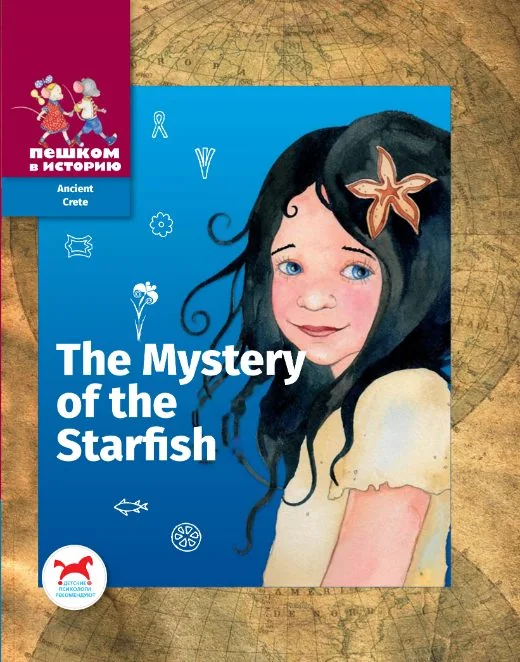
The Mystery of the Starfish
by Maria Pasternak · illustrated by Maria Kozlova · 80 pages · ISBN 978-5-905474-05-7
In a museum display, Tinka notices a fragment of painted pottery. Among the seaweed patterns is a sea star missing one of its rays. Touching the fragment transports the mice back to when the vessel was intact.
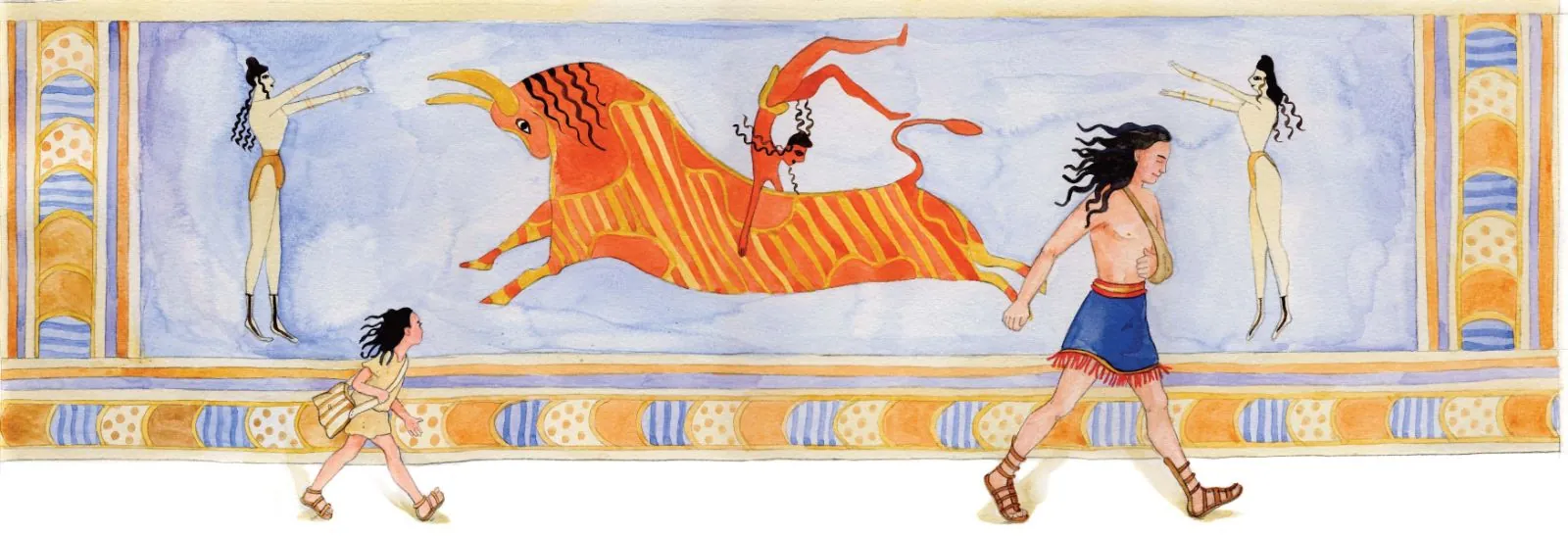
Their search for its story leads them into the world of Bronze Age Crete: a potter’s workshop, busy markets, merchant caravans, pirate attacks, and finally the great palace at Knossos.
There they discover colourful frescoes, storerooms filled with enormous jars, processions, sacred bulls, and a palace so complex that it feels like a veritable labyrinth.
The story’s core remains personal. A girl named Diona is searching for her missing brother, and Timka and Tinka decide to help.
The adventure asks a simple question with powerful storytelling potential: What if you saw the world that once surrounded it?
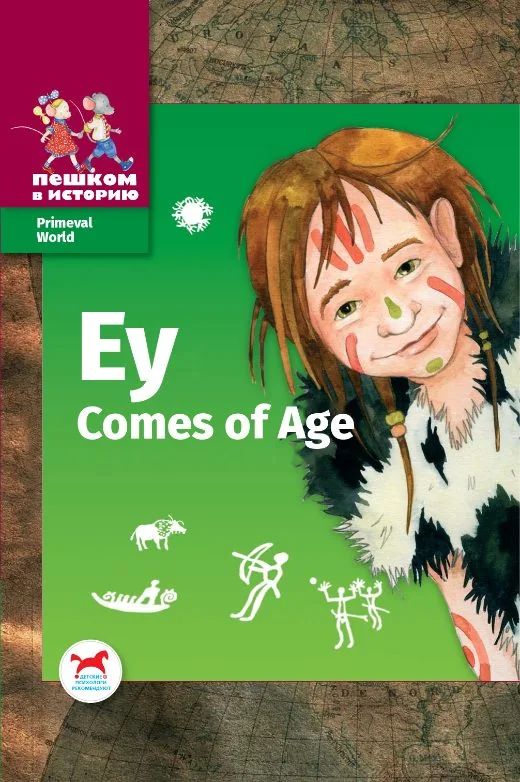
Ey Comes of Age
by Ekaterina Boyarskikh · illustrated by Maria Kozlova · 80 pages · ISBN 978-5-905474-01-9
What does it mean to become an adult? For Ey, the answer is not simple.
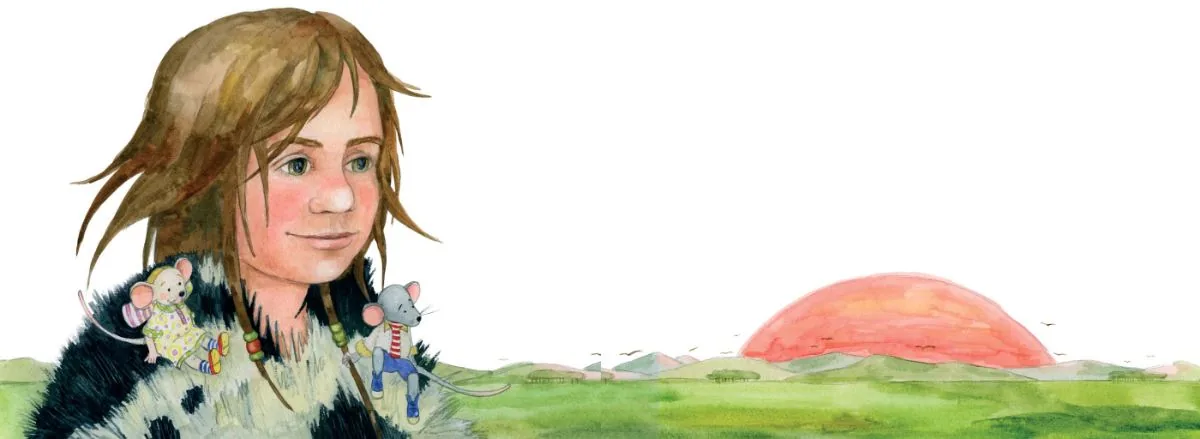
The boy must leave the safety of his community and prove that he can find his way through a vast, unfamiliar landscape. He needs food, shelter, courage, and the ability to decide for himself. Timka and Tinka unexpectedly become his travelling companions.
The journey introduces the reader to survival knowledge, fishing, fire-making, gathering, navigation, storytelling, and the ways knowledge can pass between generations.
But the historical setting supports a larger story. Ey begins his journey trying to prove that he is strong enough to be treated as an adult. What he discovers is that growing up also means taking responsibility, overcoming fear, and caring for others.
The emotional question central to the book crosses cultures: when do others see you as grown up, and when do you see it yourself?
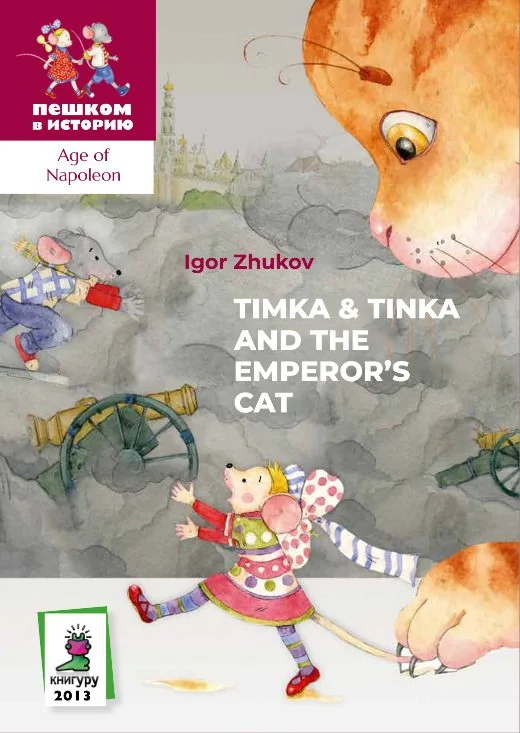
Timka & Tinka and the Emperor’s Cat
by Igor Zhukov · illustrated by Maria Kozlova · 96 pages · ISBN 978-5-906994-64-6
A museum lorgnette belonging to a French officer unexpectedly sends Timka and Tinka into the middle of Napoleon’s Russian campaign.
They land near the French army shortly before Borodino and soon meet two Russian children who have run away from home hoping to take part in the defense of their country.
What follows is a fast-moving historical comedy of armies, kitchens, secret messages, burning Moscow and unexpected friendships.
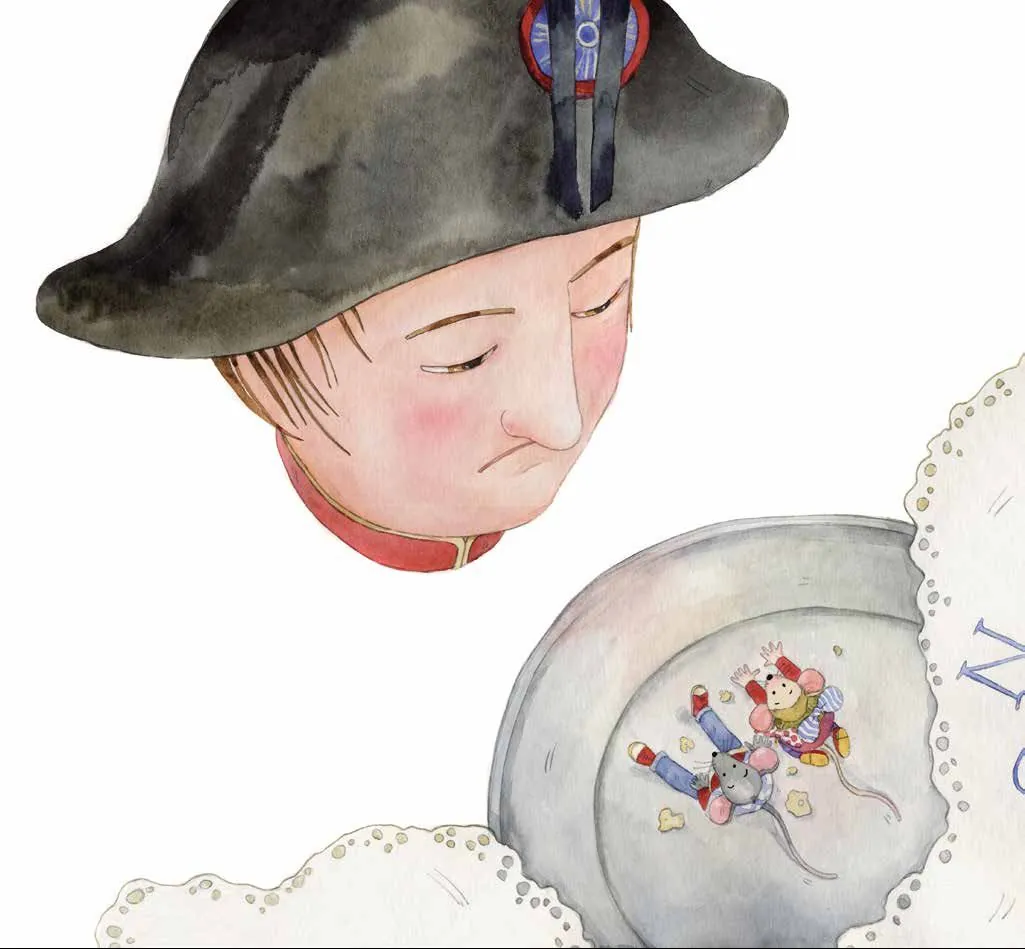
Timka and Tinka encounter Napoleon himself, eat the Emperor’s cheese and find themselves pursued by Simon, the French cook’s remarkably talkative cat, who proudly claims descent from Puss in Boots. The story moves between Russian and French characters and allows the mice to experience the campaign from more than one side.
The Napoleonic Wars become something concrete and human: hunger, fear, food, uniforms, arguments, loyalty, and the strange friendships that can appear even when adults are fighting.
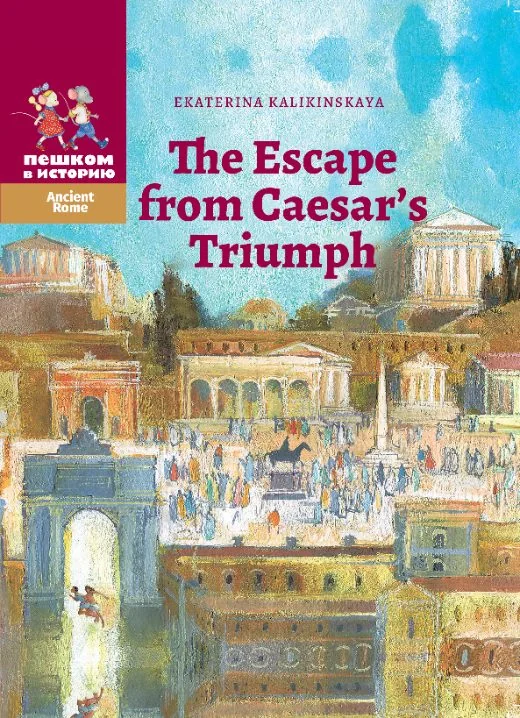
The Escape from Caesar’s Triumph
by Ekaterina Kalikinskaya · illustrated by Elina Frayenova · 88 pages · ISBN 978-5-905474-42-2
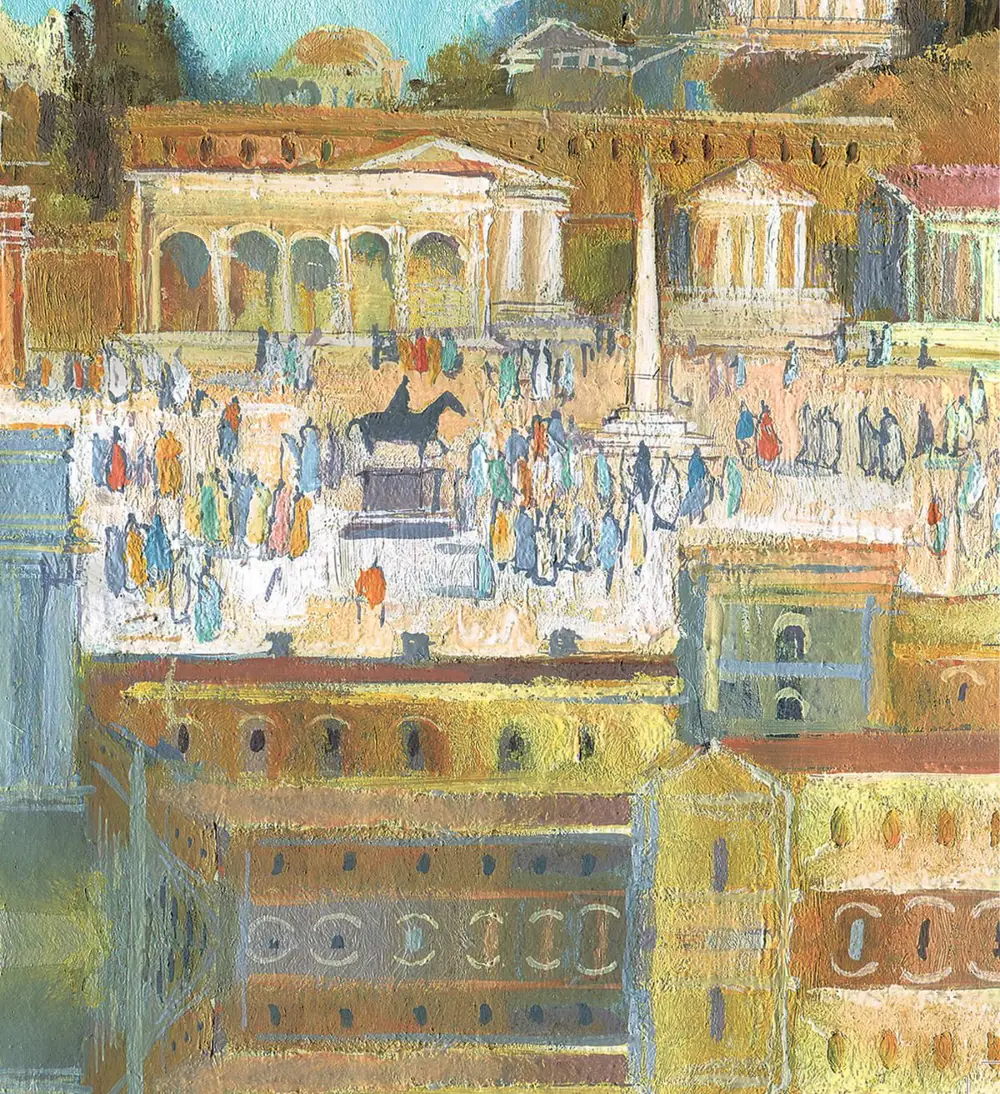
Timka and Tinka arrive in Rome in 46 BC, just as the city is preparing for one of Julius Caesar’s great triumphs.
Among the prisoners brought to Rome is a Greek boy named Alexa. Like the other captives, he faces a terrible fate during the celebrations, and Timka and Tinka decide they cannot simply stand by and watch. Their attempt to save him draws them into the life of the city and into an increasingly complicated rescue plan.
Along the way, they meet Tullia, a young Roman girl from a noble family, her slave Servus, and the future poet Horace. The story leads them through Roman roads, houses, politics, temples and public spectacles, while the approaching triumph of Caesar keeps the plot moving towards its climax.
The adventure also explores subjects that give Ancient Rome more depth than the familiar image of emperors and gladiators: slavery, manumission, citizenship, religion, political influence and the social hierarchy of the city. The book includes a historical glossary explaining Roman terms and institutions for young readers.
Ancient Rome is one of the most widely recognised historical settings in children’s publishing, but this story approaches it through an unusually human question: what happens to the people who stand on the losing side of a Roman victory?
The fictional rescue story unfolds inside real historical circumstances. Caesar’s triumph, Roman slavery, vestal priestesses, political patronage and the young Horace all become active parts of the plot.
It is historical fiction in the classic adventure tradition: invented young heroes moving through a real world shaped by real institutions, conflicts and historical figures.
Story first. Knowledge within the story.
These books are built as adventures, not illustrated history lessons.
Like classic historical novels, they place fictional protagonists inside carefully constructed historical settings. The characters have their own goals, friendships and dangers, while the world around them is shaped by the realities of the period.
This gives young readers something factual description alone cannot provide: a sense of what it might have felt like to be there.
A child may begin with a mystery, a cobra, a pirate attack or a talking cat. By the end of the story, they have also absorbed the atmosphere, everyday life and historical logic of an entire era.
One set of characters, many formats
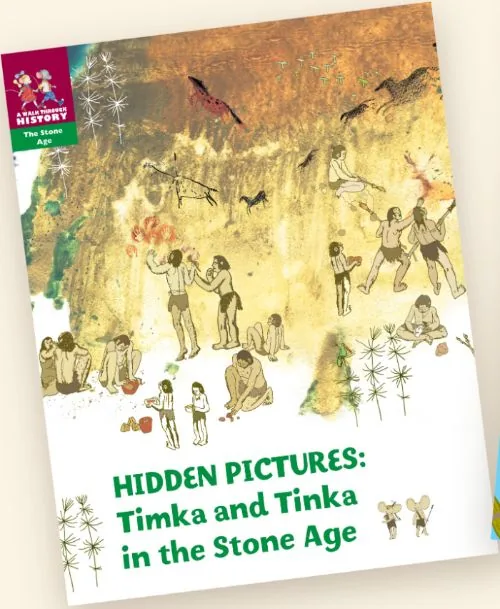
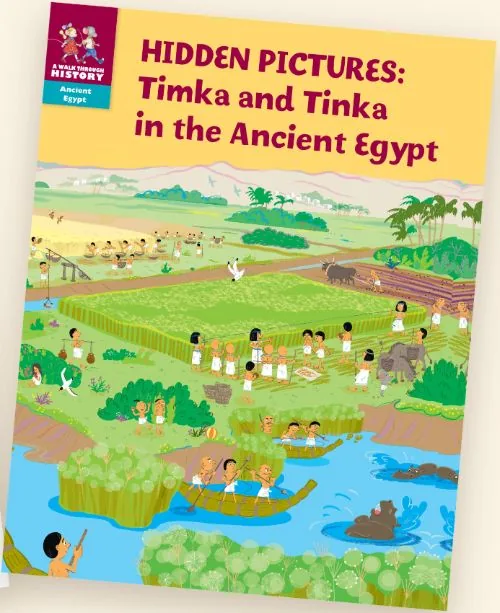
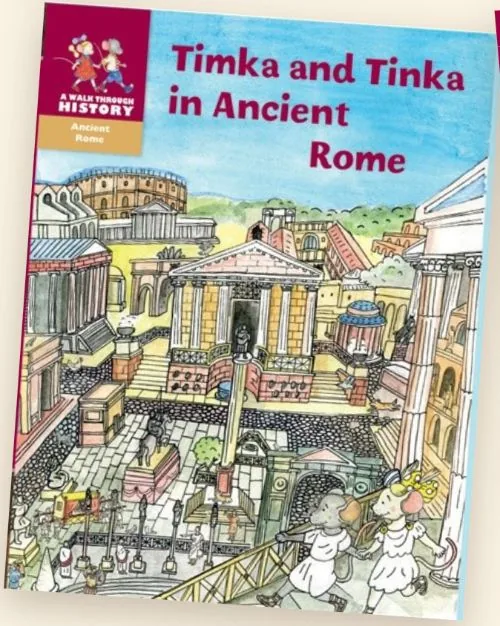
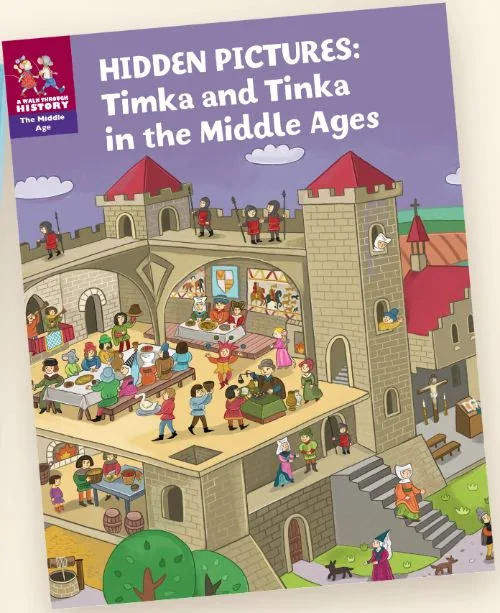
Timka and Tinka are not limited to the five historical adventures. The same characters already appear in a broader range of history books for children, including Hidden Pictures / Hide-and-Seek titles and other activity books built around different historical periods.
In the Hidden Pictures series, younger readers travel with Timka and Tinka through the Stone Age, Ancient Egypt, Ancient Rome and medieval Europe. Detailed illustrations invite children to search for characters and objects while discovering how people lived, dressed, worked and traveled in the past.
This gives publishers access to a wider concept rather than a single format: fiction, visual discovery and activity-based learning can all be developed around the same recognizable characters and historical worlds.
Where will Timka and Tinka go next?
Translation rights are available for the five historical adventures, as well as for Hidden Pictures and other activity titles featuring Timka and Tinka.
Reading PDFs, title information, and territorial availability are available from Librorus Sàrl, exclusive international rights agent.