
A doorway into human culture
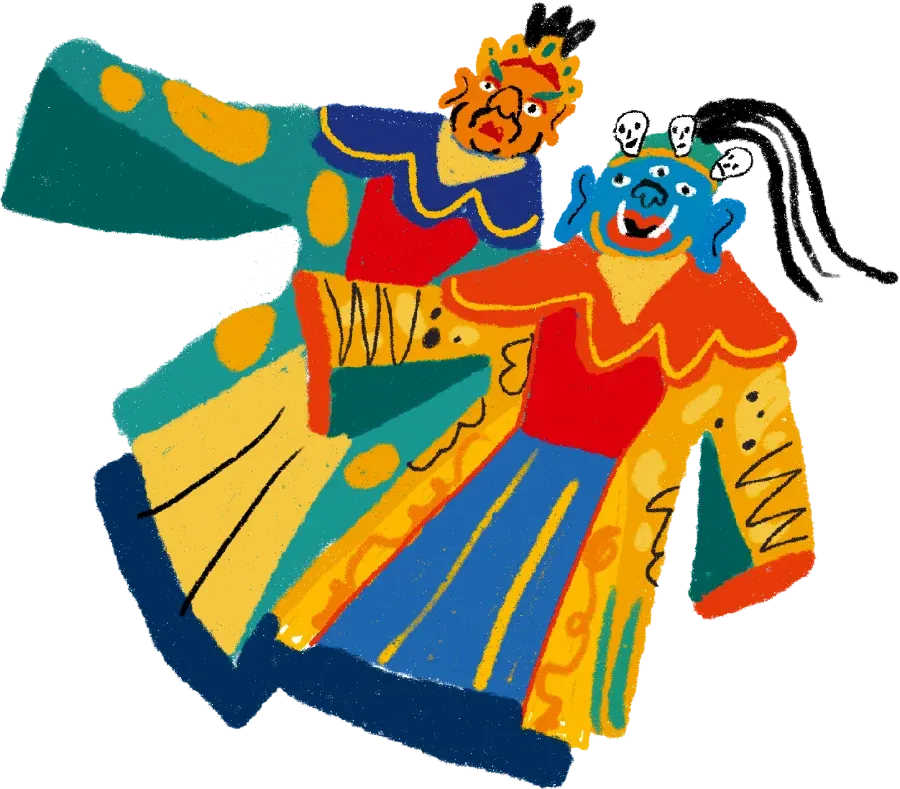
The book uses masks as a doorway into human culture. Each mask becomes the beginning of a story about the people who made it, the world around them, and the meaning they gave to this object.
The narrative moves between anthropology, ecology, and art history. It shows how a mask can belong to a ritual, a stage performance, a court ceremony, a sport, or a practical invention, while remaining deeply connected to the society that created it.
Inside the book
The book is organised into clear sections devoted to ritual, theatrical and functional masks. This structure offers young readers a sense of guidance, but the journey does not appear rigid. Every spread brings a new place, a new object, and a new question.
Each chapter focuses on one mask. The reader learns where it comes from, who created or used it, what stories surround it, and how landscape or available materials influenced its form. Visual icons identify the region, culture, period, and material, making the book easy to navigate and suitable for both reading and browsing.
 Region
 Culture
 Period
 Material
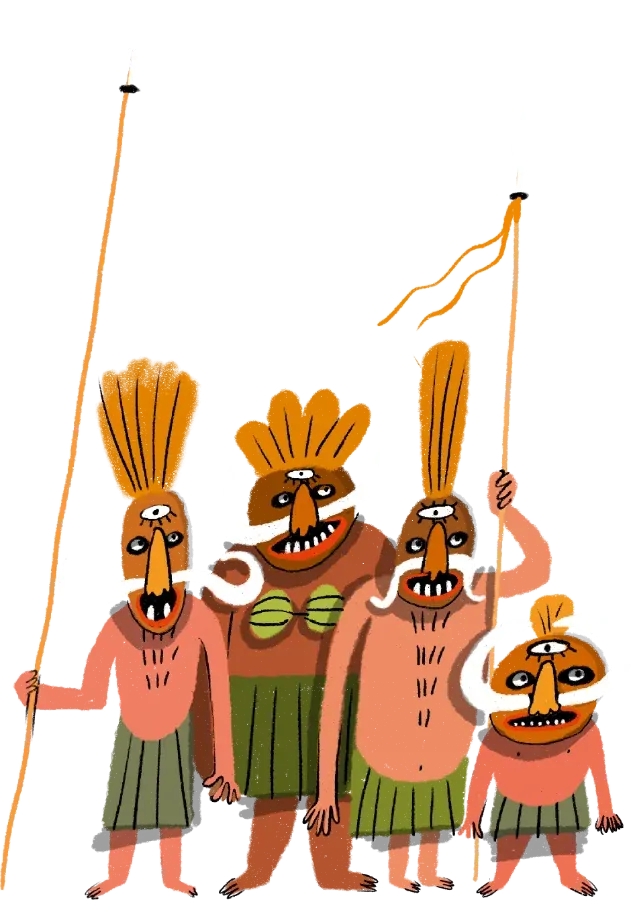
- Ritual
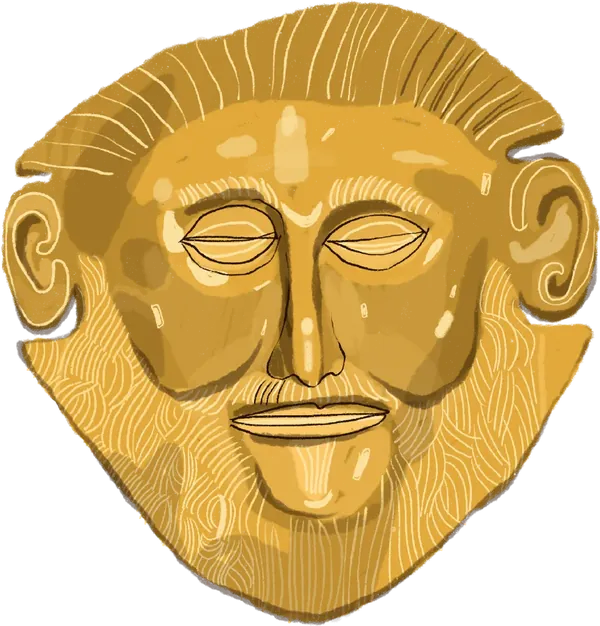
- Theatrical
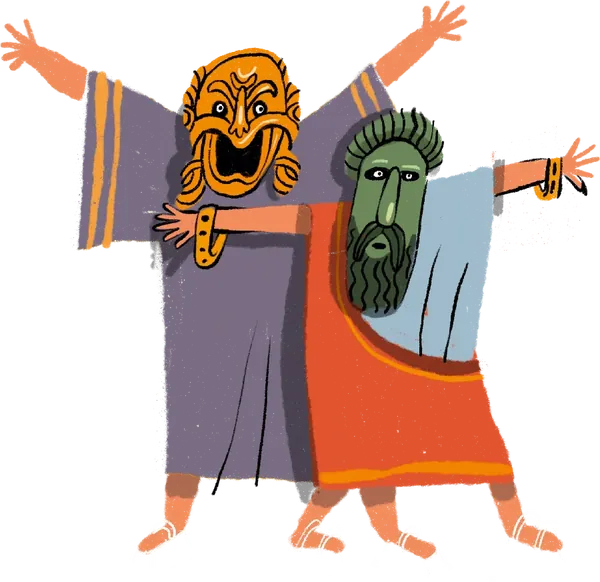
- Functional
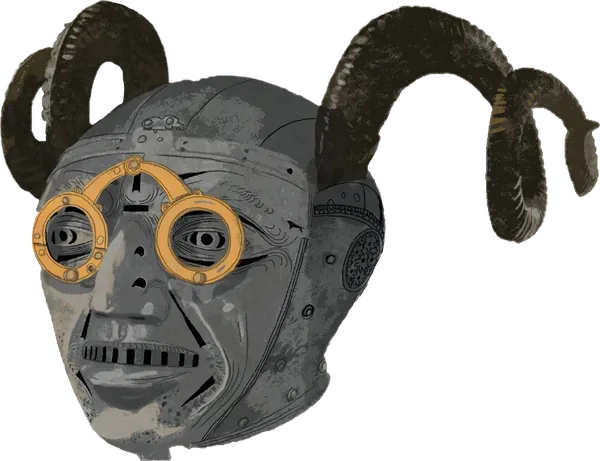
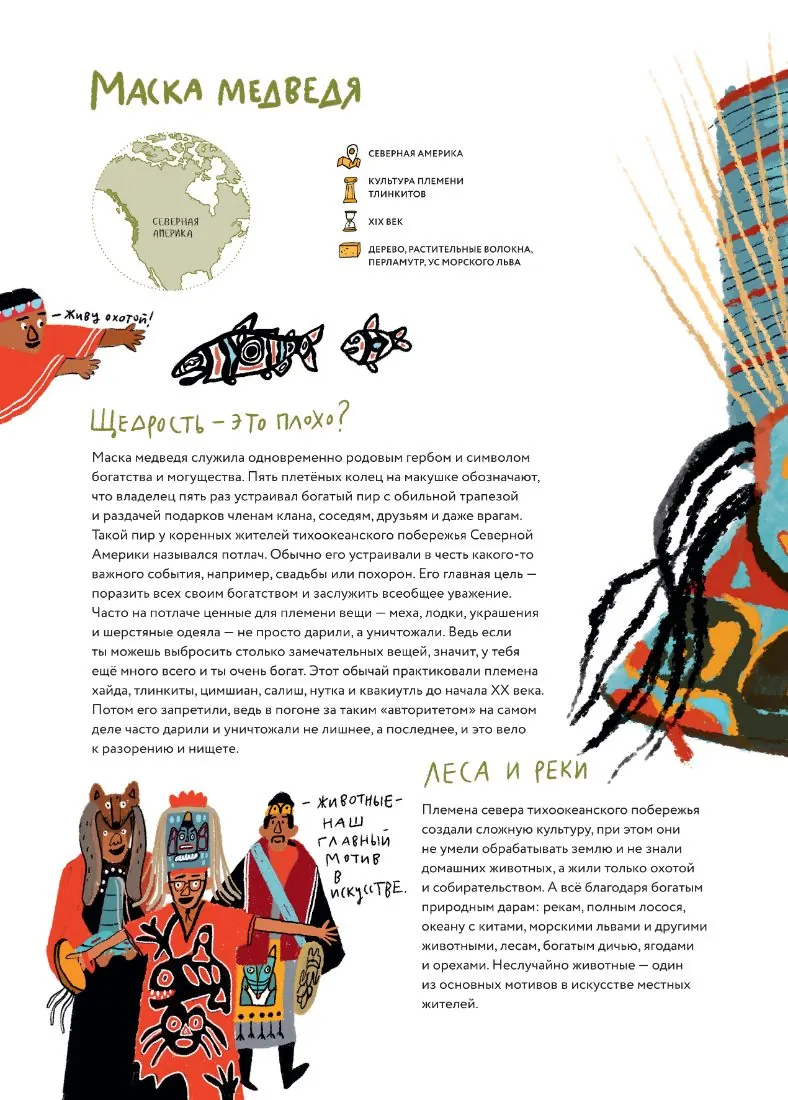
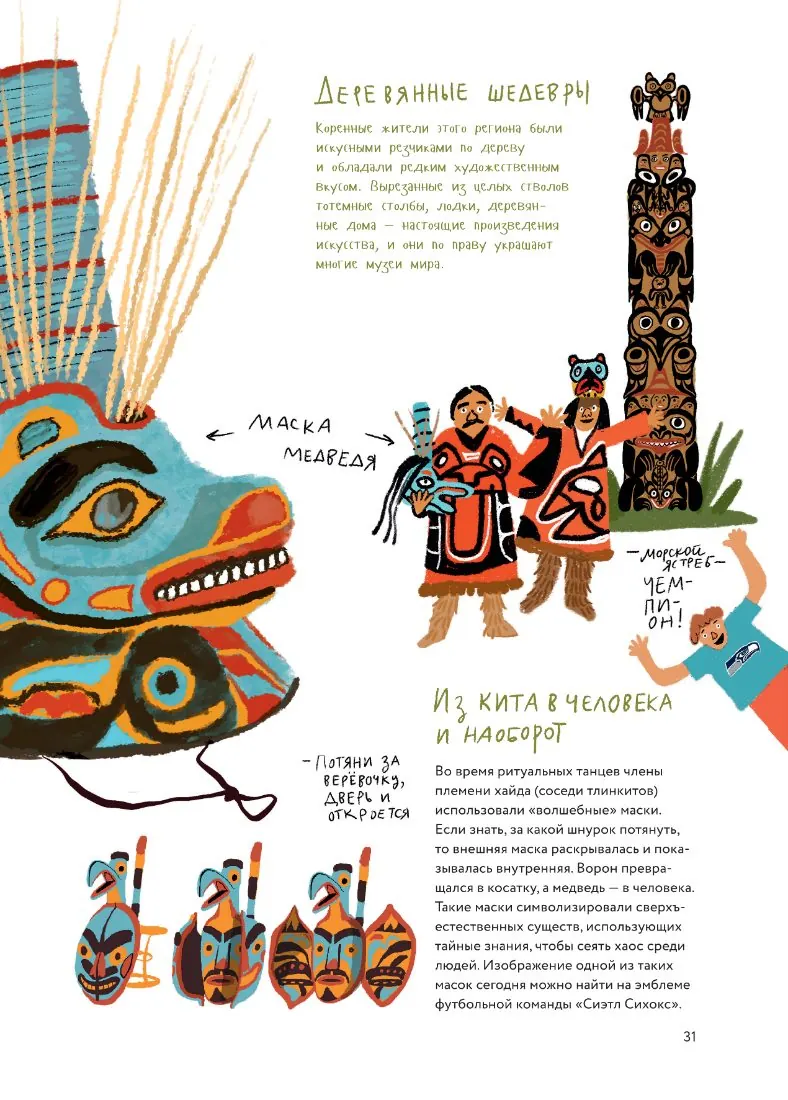
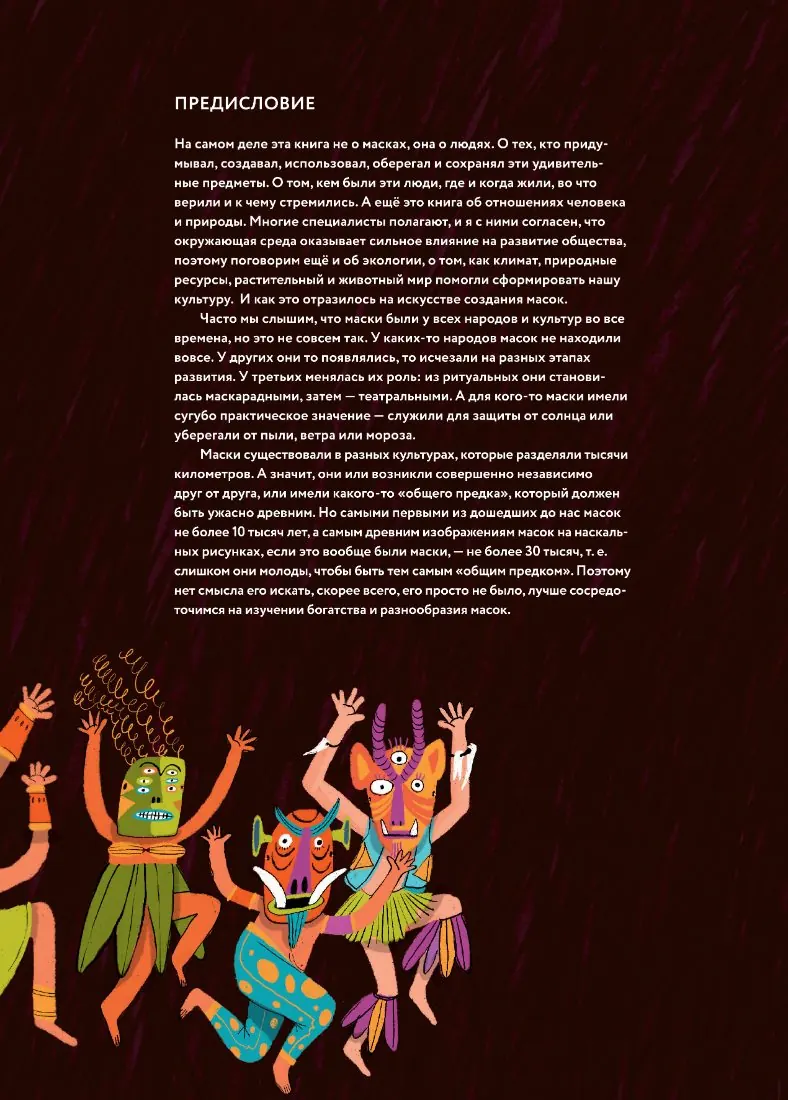
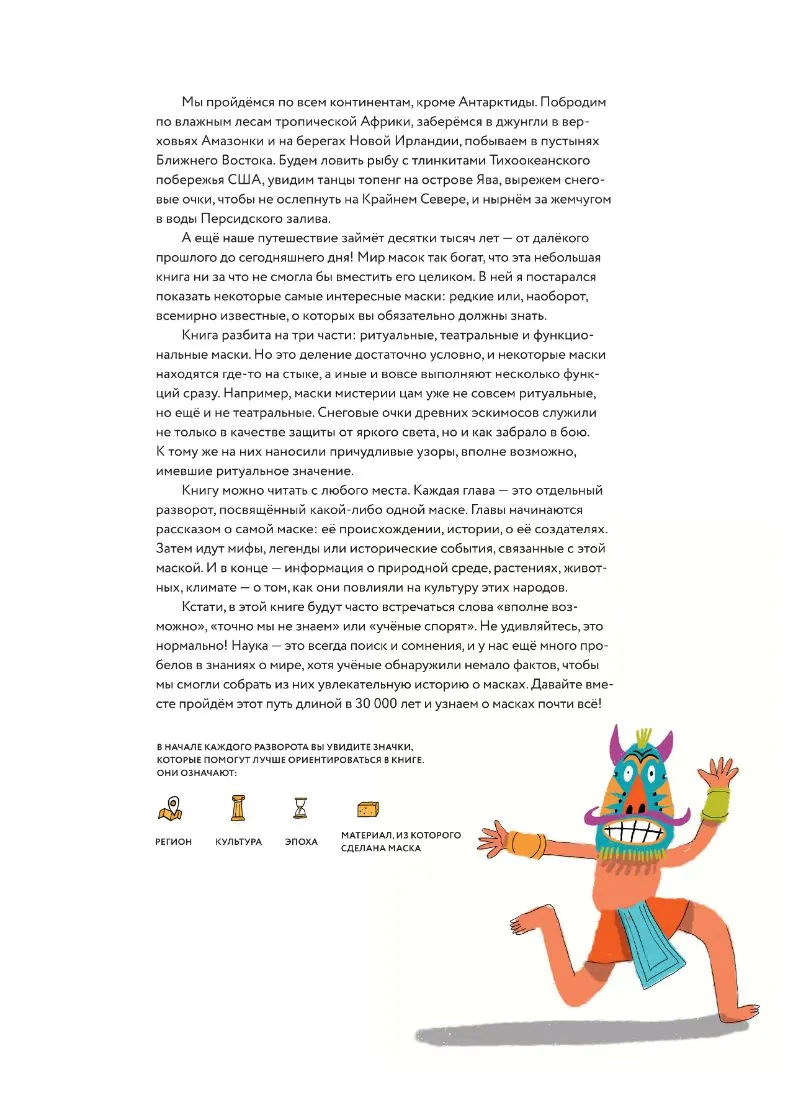
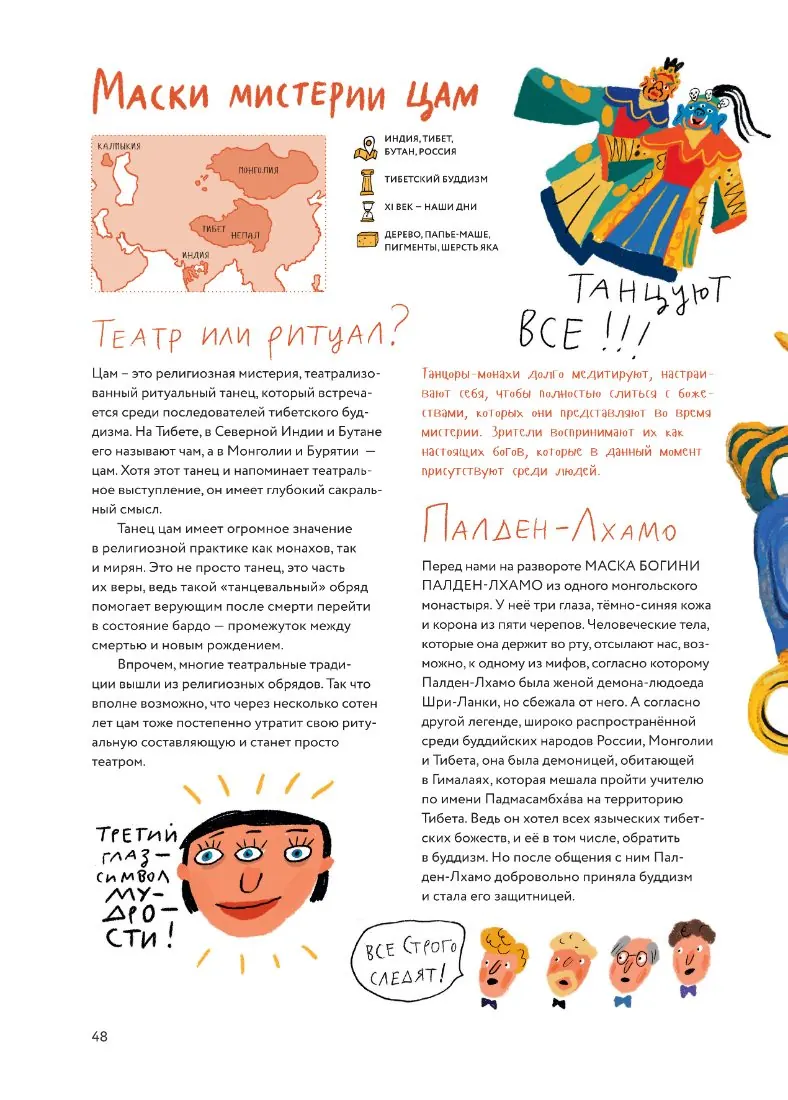
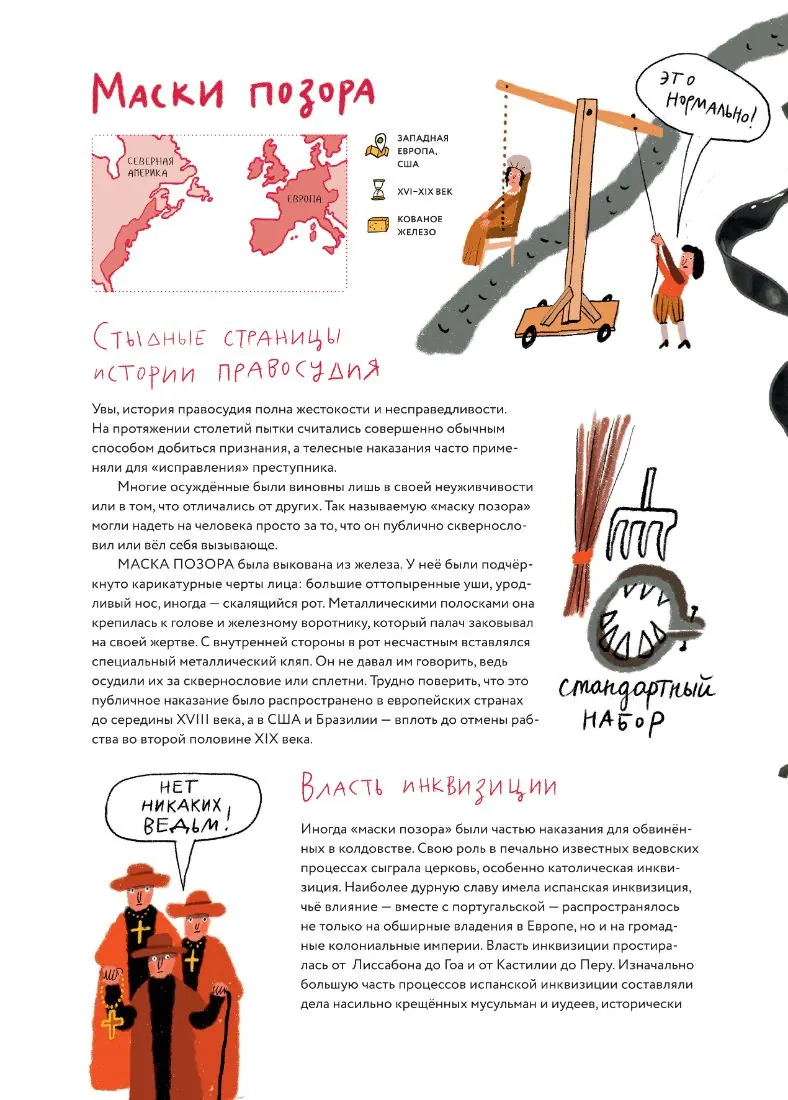
Sample pages from the Russian edition. Scroll sideways to see more.
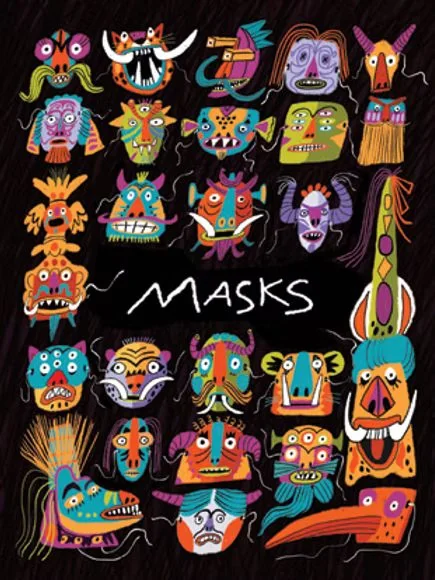
Awards and recognition
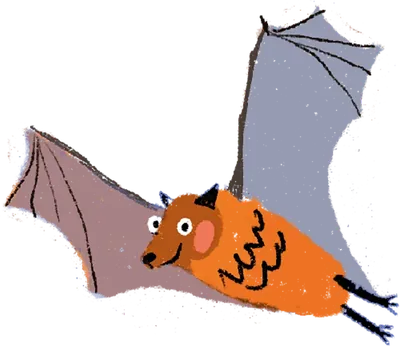
The title has already received professional recognition. It won an award at the Image of the Book Annual Contest for Book Illustration and Design 2022 and received a diploma at The Book of the Year 2022.
This recognition confirms the book’s strength as a visually distinctive and carefully produced non-fiction title. Readers and reviewers have also responded to the way it combines storytelling with reliable knowledge and expressive illustrations.
Author, illustrator, and expertise
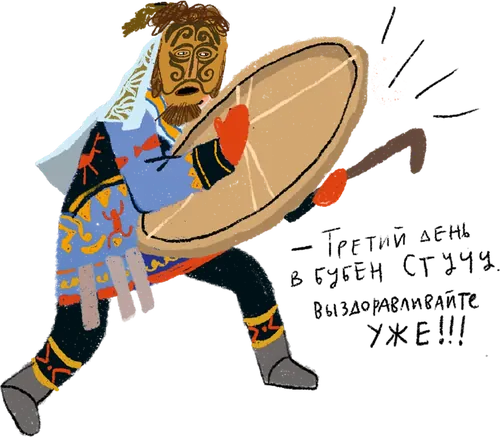
Pavel Boev brings an anthropologist’s eye to the subject. His research focused on masks and masquerade traditions, and the book reflects a careful attention to cultural context, scientific accuracy, and the limits of what we can know about the past.
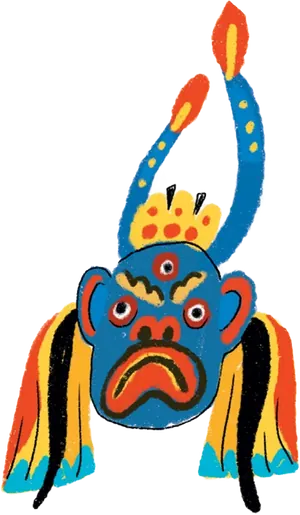
The illustrations are by Alisa Yufa, a prize-winning artist and a rising star of contemporary book illustration. Her visual language imparts a dynamic voice to the book and enables young readers to tackle challenging material without sensing that it has been oversimplified for them.
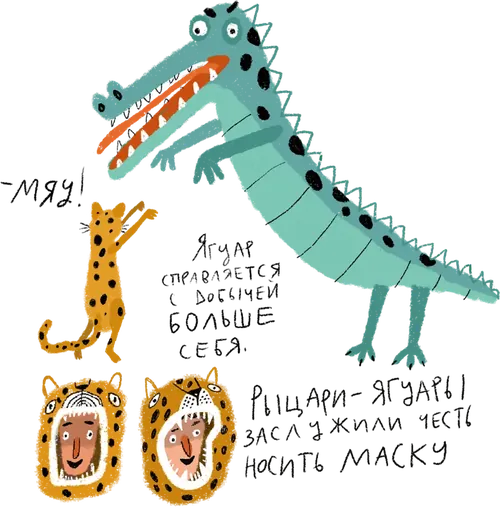
The book was reviewed by museum curators, academics, and subject specialists, which gives publishers a strong argument for its reliability.
Why it works for translation
Masks and Their Stories has clear international potential because its subject is immediately recognisable across cultures and still full of discovery. The book does not depend on local references or on a single national curriculum. It speaks to a broad curiosity about world culture, objects, performance, and the ways people explain their place in the world.
For publishers, it works as
- Children’s non-fiction
- A family gift book
- A school library title
- A museum-related publication
Its compact format, powerful illustrations, and expert-reviewed content make it a distinctive rights title for markets seeking accessible non-fiction with lasting value.